Living Near Cedarburg’s Historic Downtown
June 25, 2026
June 25, 2026
You do not have to choose between historic charm and day-to-day convenience in Cedarburg. If you are drawn to older homes, walkable streets, and a downtown that feels active instead of staged, living near Cedarburg’s historic core can offer a very specific lifestyle. Knowing what daily life looks like, what kinds of homes surround downtown, and what tradeoffs come with the location can help you decide if it fits the way you want to live. Let’s dive in.
Cedarburg’s Historic Downtown Business District is not just a preserved landmark area. The city describes it as an active, walkable center, with downtown properties generally located within two blocks of Washington Avenue between Sheboygan Road and Spring Street. That matters if you are searching for a home nearby, because the appeal is tied to real daily use, not just appearance.
The downtown business corridor is listed on the National Register of Historic Places, and the city continues to treat the area as a planning priority through its downtown master plan work. In other words, this is not a forgotten pocket of old buildings. It remains a central part of Cedarburg’s identity and future.
The Wisconsin Historical Society notes that the Washington Avenue district developed mostly between 1847 and 1926 and includes 119 buildings. You see a mix of residential, industrial, educational, governmental, and religious uses, along with architectural styles such as Greek Revival, Italianate, Queen Anne, and vernacular design.
What gives the area so much staying power is that those buildings are still used every day. Local visitor materials describe them as home to shops, homes, museums, and public buildings, which helps downtown feel lived-in and active rather than frozen in time.
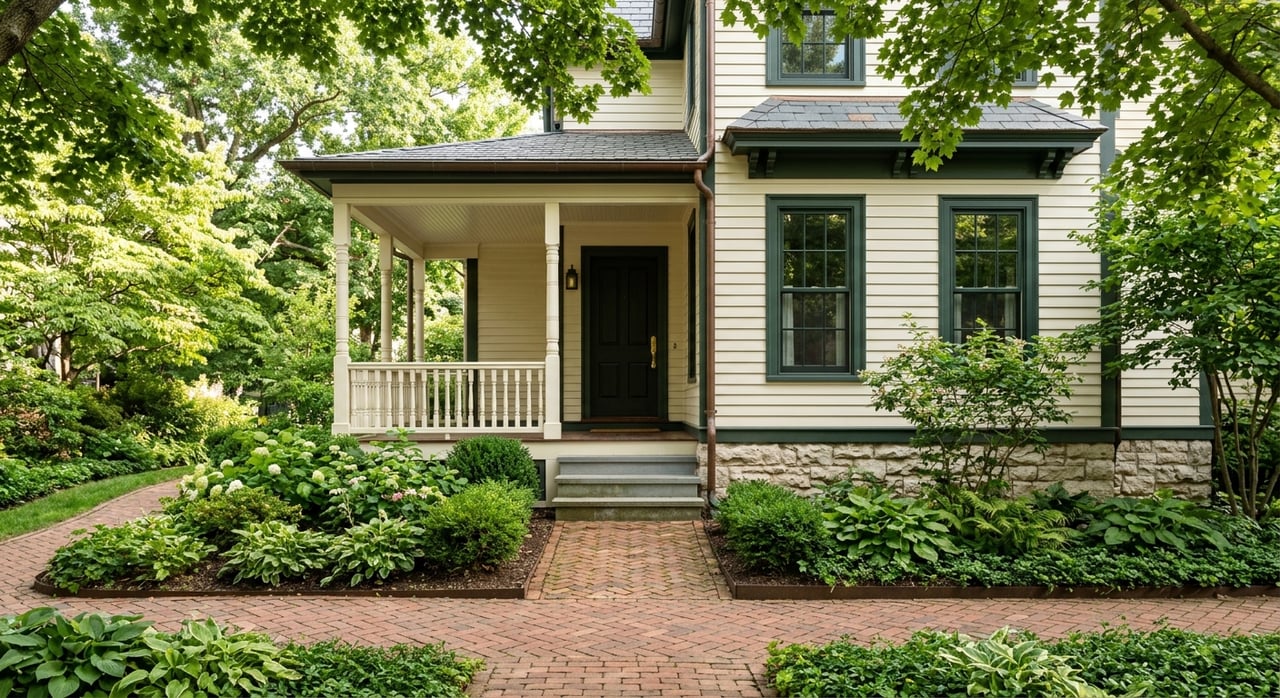
If you live close to downtown Cedarburg, you are likely buying into a setting with older homes, more layered architecture, and a different street feel than newer subdivisions. City planning documents point to the neighborhoods east and southeast of downtown as areas with many historic homes. Those surrounding blocks are part of what creates the full downtown lifestyle.
One standout area is the Columbia Historic District. The Wisconsin Historical Society describes it as one of Cedarburg’s original residential neighborhoods, with 128 residences and one church, plus the community’s largest concentration of limestone houses.
You can also expect a broad mix of architectural styles. In and around the district, styles include Greek Revival, Queen Anne, and Bungalow/Craftsman, which gives the area visual variety and a strong sense of place.
For many buyers, that character is the main draw. These homes often stand out because of masonry, older craftsmanship, original trim, and their connection to a compact historic street pattern that feels different from newer development.
One of the biggest advantages of living near Cedarburg’s historic downtown is how connected it feels. The city’s comprehensive plan says downtown is well linked to surrounding neighborhoods, local schools, the library, and other business areas through streets and sidewalks. That kind of connectivity can shape how often you choose to walk instead of drive.
Downtown itself functions as a specialty retail and entertainment center. According to local chamber materials, the area includes specialty stores, restaurants, cafés, coffee houses, museums, galleries, historic inns, and spas. That gives nearby residents plenty of options for dining, browsing, and meeting friends close to home.
At the same time, it helps to have realistic expectations. The city plan notes that more day-to-day goods and services are located farther south on Washington Avenue, so you may not handle every errand within the most historic blocks.
That balance is part of the appeal. You can enjoy a walkable social core nearby while still using the broader Cedarburg area for routine shopping and services.
Walkability in Cedarburg is not just a marketing phrase. The city specifically describes downtown as the heart of the community and highlights sidewalk connections to nearby neighborhoods and civic destinations. For buyers who care about being able to step outside and feel connected to the town, that is a meaningful feature.
The city has also identified creekwalk connections that would link Cedar Creek Settlement, City Park, Washington Avenue, and nearby residential areas. That points to an ongoing effort to strengthen how people move between downtown and surrounding parts of the city.
Small practical details matter too. The city’s Store Walk information notes that public parking is close to downtown and restrooms are located in the center of the city, which can make quick outings and walking errands more manageable.
If your ideal routine includes strolling to coffee, browsing local shops, or meeting people downtown without much planning, this location can support that lifestyle. If you prefer a setting where nearly every errand happens by car and streets stay quieter year-round, you may want to compare homes a little farther out.
Living near downtown Cedarburg also means living near events. The city reports that more than 175,000 visitors attend its four annual festivals, and local chamber materials highlight popular events such as Strawberry Festival, Wine & Harvest Festival, Winter Festival, holiday trolley rides, and the Community Tree Lighting.
For some homeowners, that energy is a major plus. A lively streetscape, seasonal traditions, and regular activity can make the area feel vibrant and connected.
For others, it is a tradeoff worth thinking through. More visitors can mean heavier foot traffic, more parking demand, and busier streets at certain times of year.
This is one of the clearest examples of how downtown-adjacent living is a lifestyle choice. The benefits are real, but so is the activity that comes with being near one of Cedarburg’s most popular destinations.
If you are considering a home within Cedarburg’s historic preservation district, it is important to understand the rules before making renovation plans. The municipal code requires exterior changes to go through a certificate of appropriateness process. Review involves the Plan Commission with input from the Historic Preservation Commission.
That does not mean you cannot improve a property. It does mean that exterior work is not always handled the same way it would be in a non-historic area.
If you love the idea of a historic address but already picture changing windows, altering siding, or making visible exterior updates, this is something to review early. Knowing the requirements up front can help you avoid surprises and choose a home that matches both your taste and your renovation goals.
The strongest appeal of living near Cedarburg’s historic downtown is the combination of preserved architecture and convenience. City and historical sources consistently frame the area as the historic heart of Cedarburg, where retail, civic, cultural, and residential uses all exist close together.
That mix creates a type of value that is different from newer neighborhoods. The draw is often tied to scarcity, character, and close access to downtown amenities, rather than large lots or brand-new construction.
For buyers, that can make the search more personal. You are not just comparing square footage or finishes. You are also weighing how much you value walkability, older architecture, and a central in-town setting.
If you own a home near historic downtown Cedarburg and are thinking about selling, the most compelling story is usually the lifestyle your location provides. Buyers looking in this area are often responding to more than the house alone. They are paying attention to street character, proximity to downtown, and the kind of everyday routine the location supports.
Features like masonry, original trim, architectural detail, and closeness to downtown amenities can all help your home stand out. In this setting, character and location often work together.
That is why thoughtful presentation matters. When a home has historic elements and a location near one of Cedarburg’s most recognizable districts, clear marketing and strong positioning can help buyers understand the full value of what they are seeing.
If you are thinking about buying or selling near Cedarburg’s historic downtown, the right strategy starts with understanding how the location fits your goals and lifestyle. Cierra Burmeister offers personalized guidance, local perspective, and a thoughtful approach to helping you make your next move with confidence.
I believe real estate is more than transactions — it’s about creating experiences that last. Leveraging local knowledge and market insight, I help buyers find homes that truly fit their lifestyle and sellers present their properties with clarity and care. Every client receives personalized guidance, clear communication, and a commitment to excellence. Outside of work, I enjoy exploring Milwaukee’s outdoors, rock climbing, and family adventures.
Cierra Burmeister
1610 N Water St Milwaukee WI 53202