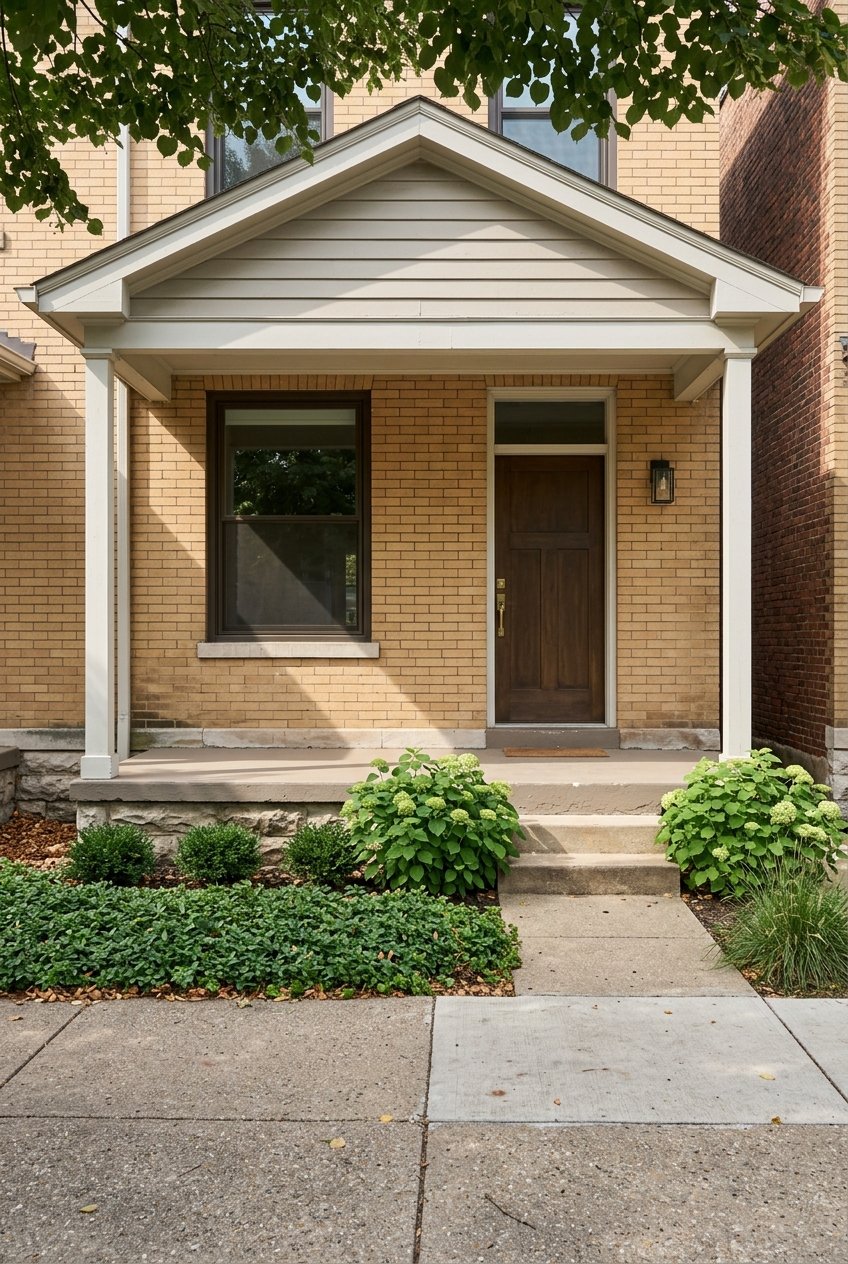
Cedarburg vs Milwaukee Living: Which Lifestyle Fits?
June 11, 2026
June 11, 2026
If you are torn between Cedarburg and Milwaukee, you are really choosing between two different daily rhythms. One offers a compact historic downtown and more detached-home living, while the other gives you a broader mix of neighborhoods, housing types, transit options, and lakefront activity. If you want to figure out which place fits how you actually live, this guide will help you compare the tradeoffs in a practical way. Let’s dive in.
The biggest difference between Cedarburg and Milwaukee is not just home price or city size. It is how your normal weekdays and weekends feel once you live there. Your best fit depends on whether you want more space and a smaller-city pace, or more variety and a more urban routine.
Cedarburg is a compact city of 4.8 square miles with 12,121 residents. Milwaukee is far larger, with nearly 600,000 residents and more than 10 miles of lakefront shoreline. That scale shapes almost everything, from housing choices to transportation to how close you are to restaurants, events, and recreation.
Cedarburg tends to appeal to buyers who want a historic small-city setting with a quieter residential pattern. The city is known for a compact downtown centered around Washington Avenue, with shopping, restaurants, museums, galleries, performances, and seasonal festivals. If you enjoy being able to stroll a charming downtown while still coming home to a more low-density neighborhood setting, Cedarburg offers that balance.
The city also has a strong detached-home feel. Its residential zoning is heavily centered on single-family living, with several districts dedicated to single-family homes and one district that also allows two-family dwellings. In practical terms, that often means a housing pattern with more yards, more separation between homes, and a suburban-small-city feel rather than an urban one.
Cedarburg’s downtown is intentionally walkable, especially within the historic business district. That can make errands, coffee runs, dinners, and festivals feel convenient and enjoyable if you live nearby. The city highlights year-round events like Strawberry Festival, Wine & Harvest Festival, Oktoberfest, and Winter Festival, which add a strong local rhythm to the calendar.
Outside downtown, the lifestyle becomes more auto-oriented. Cedarburg sits about 20 miles north of Milwaukee and about three miles west of Interstate 43. While the city and county still point residents to shared-ride transit options and trail connections, the former express bus to downtown Milwaukee ended in June 2024, which makes driving a bigger part of day-to-day transportation for many households.
Milwaukee tends to fit buyers who want a larger menu of options. You have more neighborhoods, more housing types, more transit coverage, more jobs concentrated downtown, and more waterfront recreation. If your ideal week includes variety, city energy, and easier access to amenities without always relying on a car, Milwaukee may feel like a more natural match.
Downtown Milwaukee has seen major housing growth, with 11,000 housing units completed or under construction since 2010. The city also says 31% of all city jobs are downtown. That concentration helps explain why many buyers are drawn to Milwaukee for convenience, activity, and access.
Milwaukee offers a denser urban amenity pattern than Cedarburg. The Riverwalk stretches 3.1 miles and is open year-round, and the city emphasizes walkable streets, connected public spaces, and transit options in the downtown area. If you like being able to mix work, dining, entertainment, and recreation into the same part of town, Milwaukee gives you more opportunities to do that.
The lakefront is another major lifestyle feature. Milwaukee County highlights beaches, boat launches, bluffs, the Oak Leaf Trail, Veterans Park, and Lake Park as key assets along Lake Michigan. For many buyers, that means city living does not have to mean giving up outdoor access.
For many buyers, the Cedarburg versus Milwaukee decision becomes clearest when you look at housing patterns. Cedarburg generally leans toward detached homes on larger lots. Milwaukee offers a wider range of housing types and more flexibility in how residential living is arranged.
Cedarburg’s code includes several single-family zoning districts, and lot standards in some districts require minimum lot areas like 12,000 or 15,000 square feet with 100-foot widths. That points to a development pattern with larger yards and lower density. If outdoor space and a traditional detached-home setup matter to you, Cedarburg has a clear advantage.
Milwaukee’s zoning code is broader, with single-family, two-family, multifamily, and residential-office districts. Accessory dwelling units are also allowed in a wide range of residential and mixed-use districts. The city’s housing affordability analysis uses 2,400 square feet as the smallest allowable lot size for detached housing, which shows how much smaller lot patterns can be compared with Cedarburg.
Cedarburg is likely the better fit if your priority is a detached home with more breathing room. Its zoning and lot standards support that outcome more consistently. You may find that the setting feels more private and less dense from block to block.
Milwaukee is likely the better fit if you want options such as condos, multifamily properties, smaller-lot homes, or a wider mix of residential styles. That flexibility can be especially helpful if you are balancing budget, location, and lifestyle priorities at the same time. It can also create more pathways into homeownership depending on what type of property you want.
Both places can offer walkable moments, but they do it differently. Cedarburg’s walkability is concentrated in its historic downtown. Milwaukee spreads walkability across downtown, the Riverwalk, lakefront areas, and many neighborhoods with their own commercial corridors.
In Cedarburg, the draw is the ability to enjoy a small, defined downtown district with local businesses and events. That experience feels intimate and easy to picture. You may walk to dinner or a festival, but still drive for many other daily needs depending on where you live.
In Milwaukee, walkability tends to come with more scale and variety. There are more places where housing, jobs, recreation, and dining are clustered together. If convenience for errands, nightlife, commuting, and active city living matters, Milwaukee usually offers more day-to-day options.
Interestingly, Cedarburg and Milwaukee both report a mean travel time to work of 22.4 minutes. That means the difference is less about average commute length and more about how you get around. The daily experience can feel very different even when the numbers look similar.
Cedarburg is now more driving-oriented after the end of the Ozaukee County Express Bus service to downtown Milwaukee. Residents can still use Ozaukee County transit, shared-ride taxi service, connections to MCTS, and the Ozaukee Interurban Trail. Still, many households will find that a car plays a central role in daily logistics.
Milwaukee has a broader transit network through MCTS, with 40 routes and 3,000 bus stops. Downtown also includes options like the streetcar and the Intermodal Station. If you want more ways to move around without driving every trip, Milwaukee has the stronger setup.
Home values and ownership patterns also reflect the different feel of each market. In Cedarburg, the median owner-occupied home value is $422,000, and the owner-occupied housing rate is 61.9%. In Milwaukee, the median owner-occupied home value is $184,000, and the owner-occupied rate is 41.8%.
Those numbers do not tell you which city is better. They do help show that Cedarburg tends to line up with a more owner-occupied, detached-home environment, while Milwaukee offers a broader range of price points and housing arrangements. If budget flexibility is a major factor, Milwaukee may offer more entry points depending on the property type and location you want.
Cedarburg may fit you best if you want:
Milwaukee may fit you best if you want:
Most buyers are not choosing between a good option and a bad one. They are choosing between two different versions of convenience. Cedarburg offers convenience through space, a charming downtown, and a smaller-city pace. Milwaukee offers convenience through access, variety, transit, and a larger mix of experiences.
If you are weighing Cedarburg against Milwaukee, the best next step is to compare your real daily habits. Think about how often you want to drive, how much yard space you want, what type of home fits your budget, and how important restaurants, events, transit, and lakefront access are to your week. Once those priorities are clear, the right fit usually becomes much easier to see.
Whether you are exploring Cedarburg, Milwaukee, or both, Cierra Burmeister can help you compare neighborhoods, property types, and lifestyle fit with clear, local guidance.

I believe real estate is more than transactions — it’s about creating experiences that last. Leveraging local knowledge and market insight, I help buyers find homes that truly fit their lifestyle and sellers present their properties with clarity and care. Every client receives personalized guidance, clear communication, and a commitment to excellence. Outside of work, I enjoy exploring Milwaukee’s outdoors, rock climbing, and family adventures.
Cierra Burmeister
1610 N Water St Milwaukee WI 53202