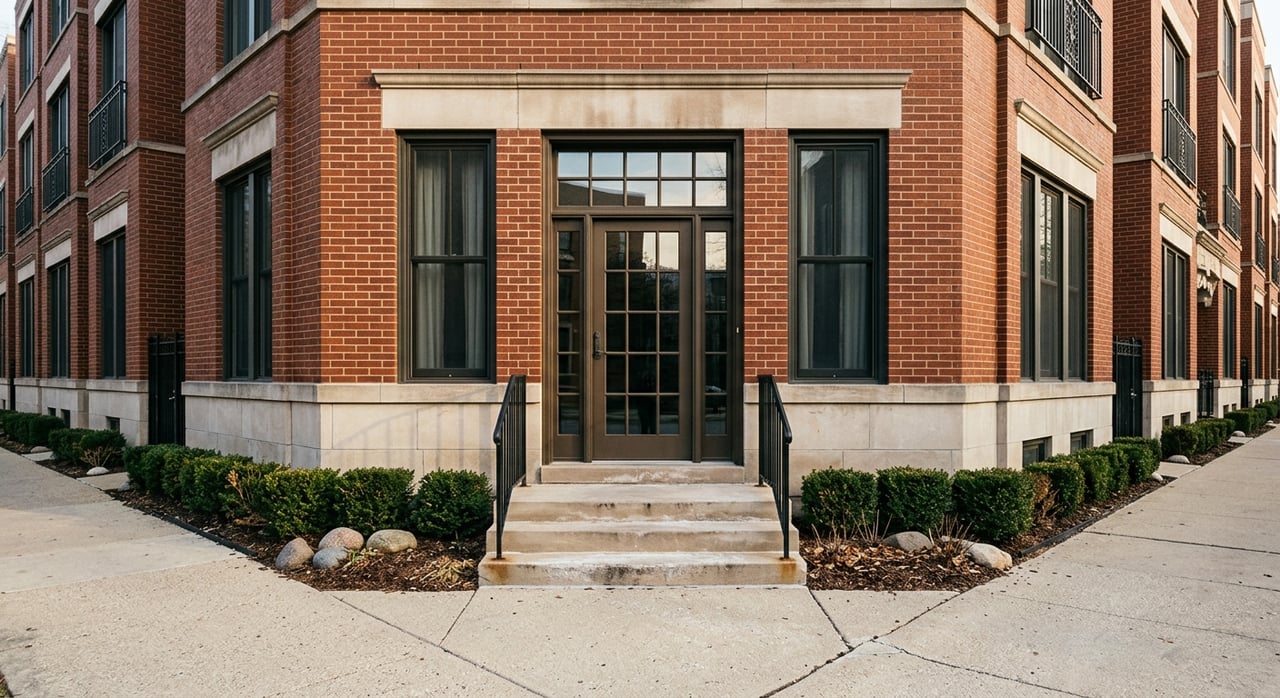
Downtown vs East Side Milwaukee: Which Area Fits Your Routine?
July 16, 2026
July 16, 2026
Wondering whether Downtown Milwaukee or the East Side will actually fit your day-to-day life? That choice can shape how you commute, where you spend your free time, and what kind of home feels right once the excitement of a move wears off. If you are trying to decide between a more urban core and a more neighborhood-centered routine, this guide will help you compare the two in practical terms. Let’s dive in.
Downtown Milwaukee is less one single neighborhood and more a group of distinct districts. Milwaukee Downtown identifies East Town, Westown, and the Historic Third Ward as key parts of the core, each with its own feel and rhythm. That means your daily experience can vary depending on the exact pocket you choose.
Downtown also plays a major role in the city’s workday flow. According to Milwaukee Downtown, about 31% of city jobs, or roughly 90,700 jobs, are located there. If you want to live close to a major job center, downtown naturally puts more of your routine within easy reach.
The East Side feels more residential and more varied block by block. The UWM Encyclopedia describes the area as roughly bounded by Lake Michigan, the Milwaukee River, Shorewood, and Ogden Avenue, with many separate residential neighborhood groups making up the larger district. In practice, that means the East Side is better understood as a collection of micro-markets rather than one uniform option.
The East Side BID presents the area as a place where you can walk, bike, or drive to dining, shopping, and green space within a few blocks. If your ideal day includes neighborhood errands, casual local stops, and easy outdoor access, that rhythm may feel more natural here.
Downtown has Milwaukee’s strongest transit mix. Wisconsin DOT identifies the Milwaukee Intermodal Station as a gateway to downtown, connecting Amtrak, intercity bus service, bicycle racks, and onward options like Bublr Bikes, The Hop streetcar, and MCTS. If you want several ways to get around without relying on a car for every trip, downtown stands out.
Milwaukee Downtown also notes that The Hop links the Lower East Side, East Town, Historic Third Ward, and Westown. Add in downtown’s skywalk system and broader bus access, and the area tends to support a more multimodal routine. For some buyers, that can be a major quality-of-life advantage.
The East Side leans more toward buses, biking, walking, and parking than rail-based options. The East Side BID points to parking availability, Bublr Bike kiosks, and the area’s role as a bike hub between the lakefront and river trails. That creates a routine that often feels more neighborhood-scaled and active.
Recent North Avenue improvements added permanent bike-lane protection and bus boarding islands. The Oak Leaf Trail’s Milwaukee River Line and Lake Park Loop also connect East Side residents to the shoreline and downtown. If you picture yourself walking to coffee, biking to the lakefront, or taking the bus instead of driving short distances, the East Side may line up better with that pattern.
Downtown Milwaukee tends to feel more destination-oriented. Milwaukee Downtown highlights places like Cathedral Square, Milwaukee Street, Water Street, the RiverWalk district, and Old World Third Street, along with recurring events such as Bastille Days, Firkin Fest, a Saturday farmers’ market, and the Lakefront Festival of Art. If you enjoy being close to major events and busy public spaces, downtown can keep your calendar full.
Westown also adds another layer with the arena district, Old World Third Street, and nearby dining and nightlife. In simple terms, downtown often works well for buyers who want energy built into the area around them.
The East Side’s social life feels more tied to repeat local spots and neighborhood corridors. Visit Milwaukee highlights Brady Street as a destination for food and culture, while also noting places like Crossroads Collective and a broad mix of restaurants and bars throughout the district. The East Side BID business directory reinforces that this is not just one nightlife strip, but a dense area of everyday-use businesses.
That can make the East Side feel more routine-friendly if you like returning to a few favorite places instead of planning around major event districts. For many buyers, that difference matters more than headline attractions.
Downtown has direct lakefront infrastructure built into its identity. The City of Milwaukee says the Lakefront Gateway project was designed to improve public spaces and strengthen connections between downtown, the lakefront, and the Historic Third Ward. That makes waterfront access part of the broader downtown experience rather than a separate destination.
The Milwaukee RiverWalk adds another major feature. It is open 24 hours a day and stretches 3.1 miles along both sides of the Milwaukee River to Lake Michigan. If you want your walk, run, or evening outing tied closely to the city core, downtown offers that blend of skyline and water access.
The East Side offers especially strong access to parks, trails, and the beach. Visit Milwaukee notes that a long stretch of the 135-mile Oak Leaf Trail runs through the heart of the East Side, with Lake Park and lakefront trails easy to reach. Milwaukee County identifies Bradford Beach as the most popular beach in the park system.
The Oak Leaf Trail’s Lake Park Loop runs from the Milwaukee Art Museum past Veterans Park, McKinley Park, Bradford Beach, Lake Park, and the North Point Lighthouse. If your routine includes outdoor time, trail access, or frequent beach visits, the East Side has a strong advantage.
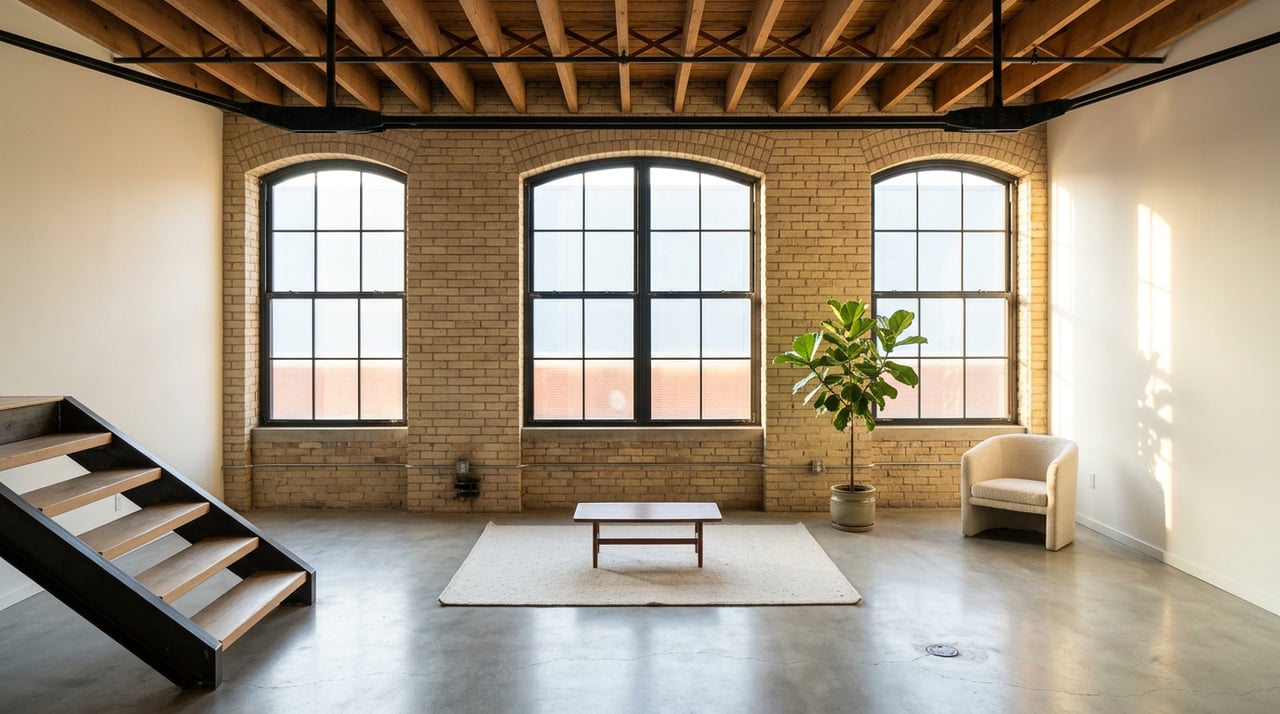
Downtown housing tends to lean toward condos, apartments, loft-style conversions, and mixed-use buildings. City development materials point to modern towers, historic lofts, and a range of newer residential projects. Examples include large residential conversions and mixed-use developments that reinforce downtown’s more vertical housing pattern.
If you want lower-maintenance living, shared amenities, or a home that puts you close to the action, downtown may check more boxes. Buyers focused on condo living often find more straightforward options here.
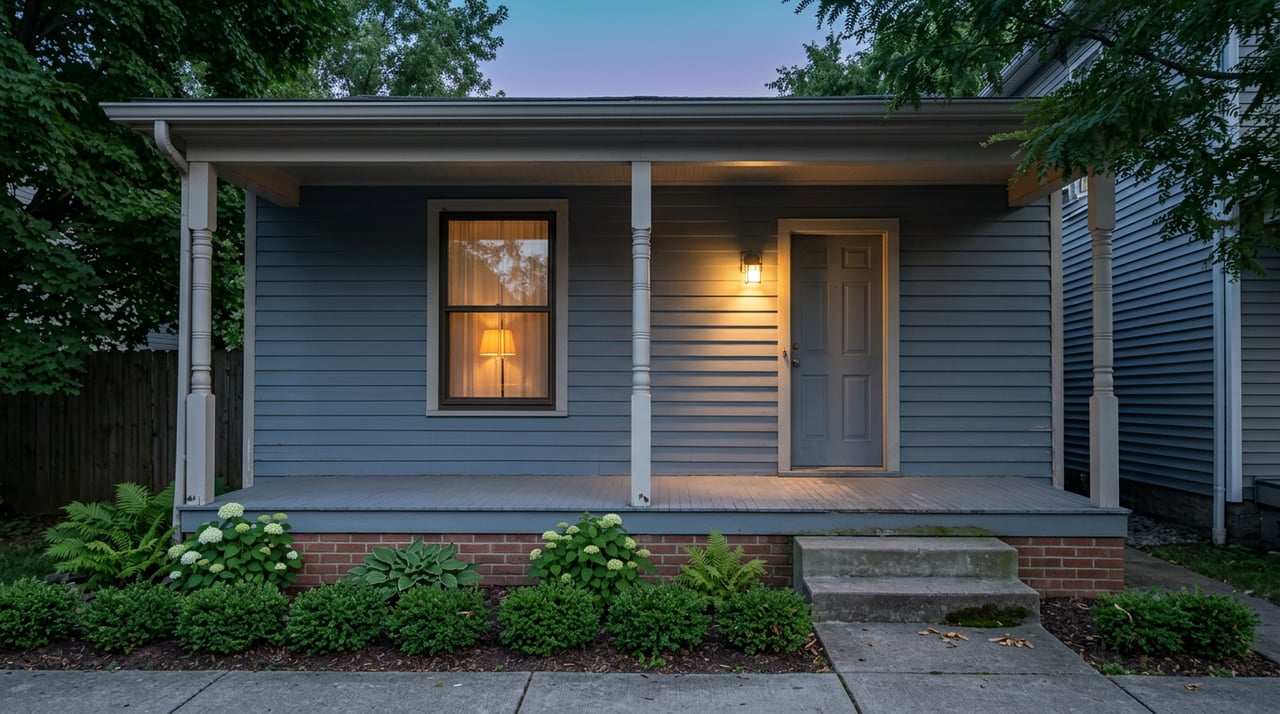
The East Side has a broader mix of housing types and a more historic feel. The UWM Encyclopedia says the area includes everything from workers’ cottages to mansions, while city historic-designation materials reference century apartments, luxury duplexes, and large single-family houses. That creates more variety, but also more block-by-block differences.
If you are open to comparing condos, duplexes, apartments, and single-family homes in one general area, the East Side gives you more range. It can be a good fit if you want character and flexibility rather than one dominant housing style.
Downtown pricing depends a lot on whether you are looking at closed sales or active listings. In May and June 2026, Redfin reported a median sale price of $282,405 for Downtown Milwaukee, while Realtor.com reported a median listing price of $449,900 and a median monthly rent of $2,250. That spread is a reminder to compare current inventory with recent closings when you set your budget.
The East Side also covers a wide range. Recent listing snapshots showed about $294,900 for Lower East Side, about $407,000 for Murray Hill, and about $472,000 for Northpoint. Instead of thinking of the East Side as one price point, it is more accurate to think of it as several micro-markets with different entry points.
Downtown Milwaukee may be the better fit if you want:
The East Side may be the better fit if you want:
Neither area is better in every way. The right choice depends on how you want your weekdays and weekends to feel.
If you are weighing Downtown Milwaukee against the East Side, the most helpful next step is to compare a few specific pockets in person. A condo near the RiverWalk, a historic apartment close to Brady Street, or a home near Lake Park can all create very different routines even within the same broad area. If you want help narrowing the search based on your lifestyle, budget, and must-haves, reach out to Cierra Burmeister.


I believe real estate is more than transactions — it’s about creating experiences that last. Leveraging local knowledge and market insight, I help buyers find homes that truly fit their lifestyle and sellers present their properties with clarity and care. Every client receives personalized guidance, clear communication, and a commitment to excellence. Outside of work, I enjoy exploring Milwaukee’s outdoors, rock climbing, and family adventures.
Cierra Burmeister
1610 N Water St Milwaukee WI 53202