Moving From Milwaukee To Cedarburg: What Changes
May 14, 2026
May 14, 2026
Thinking about trading Milwaukee’s city rhythm for Cedarburg’s historic charm? It can feel like a small move on the map, but day to day, it often feels much bigger. If you are wondering what really changes when you move from Milwaukee to Cedarburg, this guide will help you compare lifestyle, housing, commuting, and amenities so you can make a confident move. Let’s dive in.
Moving from Milwaukee to Cedarburg usually means shifting from a larger urban environment to a smaller, more compact historic city. Cedarburg describes itself as close to downtown Milwaukee, but with a character and history that feel far removed from the city. That difference tends to show up in your daily pace, your surroundings, and how you spend your free time.
In Milwaukee, many neighborhoods offer a dense mix of homes, businesses, parks, and city amenities. Cedarburg is more centered around a preserved historic core, especially near Washington Avenue and Cedar Creek. If you enjoy a quieter setting with a strong sense of place, that change may feel refreshing.
One of the biggest changes is your day-to-day rhythm. Milwaukee offers a broader city experience with many walkable districts, varied recreation options, and a larger network of dining and entertainment areas. Cedarburg offers a smaller-scale experience that feels more concentrated and locally centered.
That does not mean Cedarburg feels disconnected. It means your routine may become more focused on a compact downtown, neighborhood parks, local trails, and seasonal community events. For many buyers, that shift is less about giving things up and more about choosing a different lifestyle.
If you are moving north from Milwaukee, your budget may need the biggest adjustment. Based on Redfin market snapshots from March 2026, Cedarburg’s median sale price was $589,000, compared with $234,450 in Milwaukee. That puts Cedarburg at roughly 2.5 times Milwaukee’s median sale price.
Price per square foot also shows the gap. Cedarburg came in at $294 per square foot, while Milwaukee was $156 per square foot. Both markets were described as very competitive, but the price jump is often the clearest financial change for buyers.
If you have been shopping in Milwaukee, the same budget may buy a very different home in Cedarburg. You may need to revisit your must-have list, preferred square footage, lot size, or finish level. A clear plan matters even more when you are moving between two competitive markets with very different pricing.
Milwaukee gives buyers a broad housing mix. Depending on the neighborhood, you can find single-family homes, duplexes, townhomes, condos, and apartments, along with styles like bungalows, ranches, Cape Cods, Victorians, and newer downtown condo development. That variety gives buyers more ways to match housing type with budget and lifestyle.
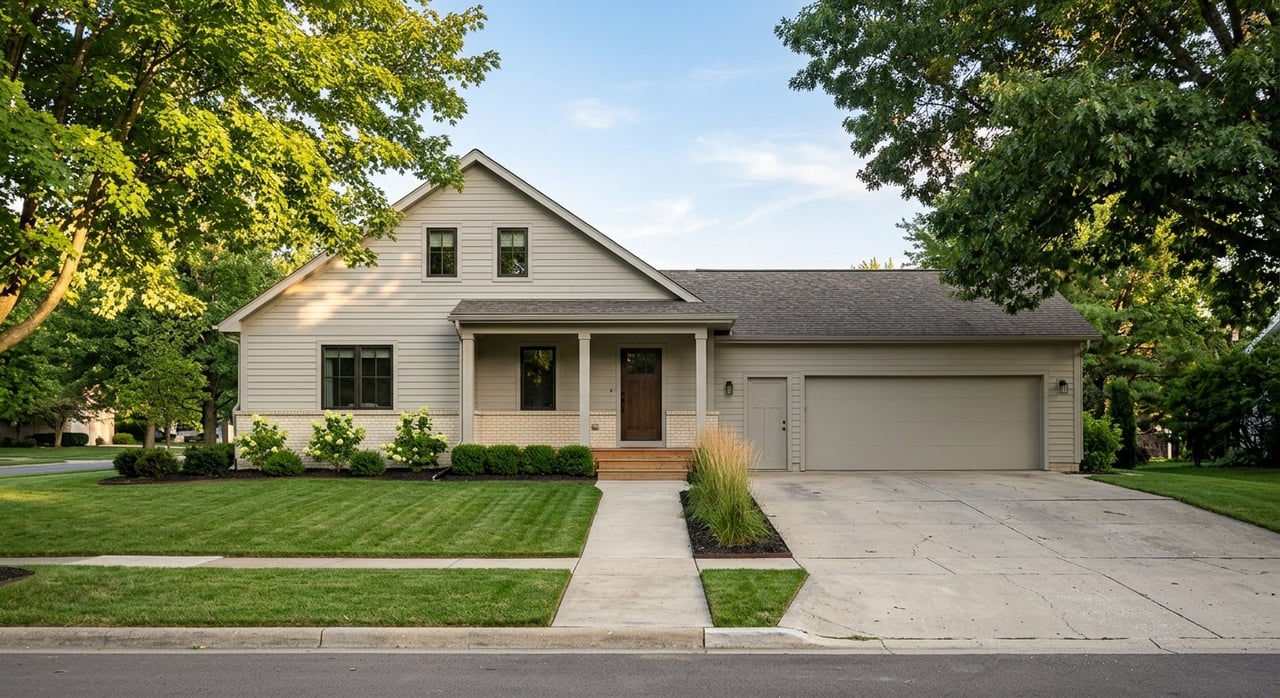
Cedarburg has a more focused housing identity. Its historic district includes buildings from the 1840s through the early 20th century, with materials like locally quarried limestone and fieldstone and styles such as Greek Revival, Italianate, Queen Anne, and other vernacular forms. Outside the historic core, Cedarburg also includes post World War II subdivisions and later suburban-era housing.
For many Milwaukee buyers, Cedarburg means a stronger emphasis on single-family living. If you are coming from a condo, duplex, or smaller urban home, the housing options may feel less varied but more rooted in traditional neighborhood patterns. That can be appealing if you want more space and a more suburban layout.
Historic character is a big draw in Cedarburg, but older homes can have different upkeep needs, room layouts, and renovation histories than newer construction. Even in later subdivisions, the market still reflects Cedarburg’s strong identity and preservation-minded appeal. It helps to look beyond charm alone and compare function, condition, and long-term fit.
Another major change is transportation. Cedarburg stays connected to Milwaukee through Interstate 43 and Highway 60, so regional access is still convenient by car. But your routine is likely to become more car-first than it was in many Milwaukee neighborhoods.
Ozaukee County Transit says the Ozaukee County Express bus was permanently eliminated on June 28, 2024. Shared-ride taxi service is still available, and the county says riders can connect to the Milwaukee County Transit System for downtown trips. Still, for most residents, Cedarburg commuting is less transit-oriented than Milwaukee living.
Cedarburg does offer strong trail access for a city its size. Ozaukee County notes that the 30-mile Ozaukee Interurban Trail can be used as a commuter route, and the city maintains its local trail segment along with the Cedar Creek Walkway connection near downtown. These features support active transportation and leisure use, even if they do not replace the convenience of dense urban transit.
Milwaukee gives you scale. Official city and tourism materials highlight neighborhoods, attractions, restaurants, tours, hotels, major parks, more than 10 miles of lakefront shoreline, and more than 50 city parks. If you enjoy having a wide range of options across many districts, Milwaukee naturally offers more breadth.
Cedarburg offers something different. Its amenities are concentrated around a preserved historic district filled with specialty shops, restaurants, galleries, museums, and performance spaces. Instead of spreading your plans across a large city, you may find yourself returning to a smaller number of places that feel familiar and rooted in the community.
Cedarburg stands out for its event culture. The city says more than 175,000 visitors attend its four annual festivals, and the Chamber notes that the city hosts dozens of family-friendly events throughout the year. If you enjoy seasonal traditions and a strong community calendar, this can be one of the most enjoyable parts of the move.
Milwaukee’s recreation network is broad, with lakefront access, the RiverWalk, the Oak Leaf Trail, and major park destinations across the city. Cedarburg’s outdoor options are more neighborhood-scaled, but still meaningful. The city owns 34 parks and open spaces totaling 146 acres, which supports a strong local parks system for a small city.
The creek corridor and walkway system also shape the local experience. Cedar Creek remains central to Cedarburg’s identity, and the city is continuing to develop the Cedar Creek Walkway to strengthen links between downtown and the creek area. If you want outdoor time that feels easy and close to home, Cedarburg delivers that in a more compact way.
When buyers move from Milwaukee to Cedarburg, a few changes tend to stand out first:
None of these changes is automatically better or worse. The right fit depends on how you want to live, what kind of home you want, and how much convenience, space, and character matter to you.
If you love Milwaukee but want more space, a quieter atmosphere, or a home base with a strong historic identity, Cedarburg may be a natural next move. You still stay close to the broader Milwaukee metro, but your everyday experience can feel more relaxed and more locally centered. For many buyers, that balance is exactly the point.
The key is preparing for the practical differences before you start touring homes. Price, property type, commute habits, and lifestyle patterns all shift when you move from Milwaukee to Cedarburg. When you understand those changes early, you can search with more clarity and avoid surprises.
If you are weighing a move from Milwaukee to Cedarburg, working with a local advisor who understands both markets can make the process much smoother. Cierra Burmeister offers personalized guidance to help you compare neighborhoods, refine your budget, and find a home that fits the way you actually want to live.
I believe real estate is more than transactions — it’s about creating experiences that last. Leveraging local knowledge and market insight, I help buyers find homes that truly fit their lifestyle and sellers present their properties with clarity and care. Every client receives personalized guidance, clear communication, and a commitment to excellence. Outside of work, I enjoy exploring Milwaukee’s outdoors, rock climbing, and family adventures.
Cierra Burmeister
1610 N Water St Milwaukee WI 53202