Milwaukee Neighborhoods With Easy Parks And Commutes
April 16, 2026
April 16, 2026
If you want a Milwaukee neighborhood that makes daily life easier, two things usually rise to the top fast: nearby green space and a manageable commute. The good news is that Milwaukee gives you several strong options, but each one delivers that balance a little differently. Some neighborhoods lean lakefront and transit-friendly, while others offer trail access and quicker car-based routes. Let’s dive in.
When you compare neighborhoods, it helps to look beyond square footage and finishes. The way you get to work, reach downtown, or spend time outside can shape your routine just as much as the home itself.
Across Milwaukee, you have broad access to outdoor space thanks to Milwaukee County Parks and the city’s network of neighborhood parks in more than 50 locations. That means the real difference is often not whether parks exist, but what kind of park access and commute pattern fits your lifestyle best.
If you want city energy, access to water, and convenient routes into downtown, Bay View and the East Side stand out. Both offer strong park access, but they create different day-to-day experiences.
Bay View is one of the clearest choices if you want regular access to lakefront parks. According to the Bay View Neighborhood Plan, the neighborhood is well served by parks, including playgrounds, a dog park, Humboldt Park, and South Shore Park, which provides public access to Lake Michigan.
That setup can be appealing if your ideal routine includes walks by the lake, park time close to home, or quick outdoor breaks without a long drive. The same plan also notes dense street patterns and trail linkages, which add to Bay View’s everyday convenience.
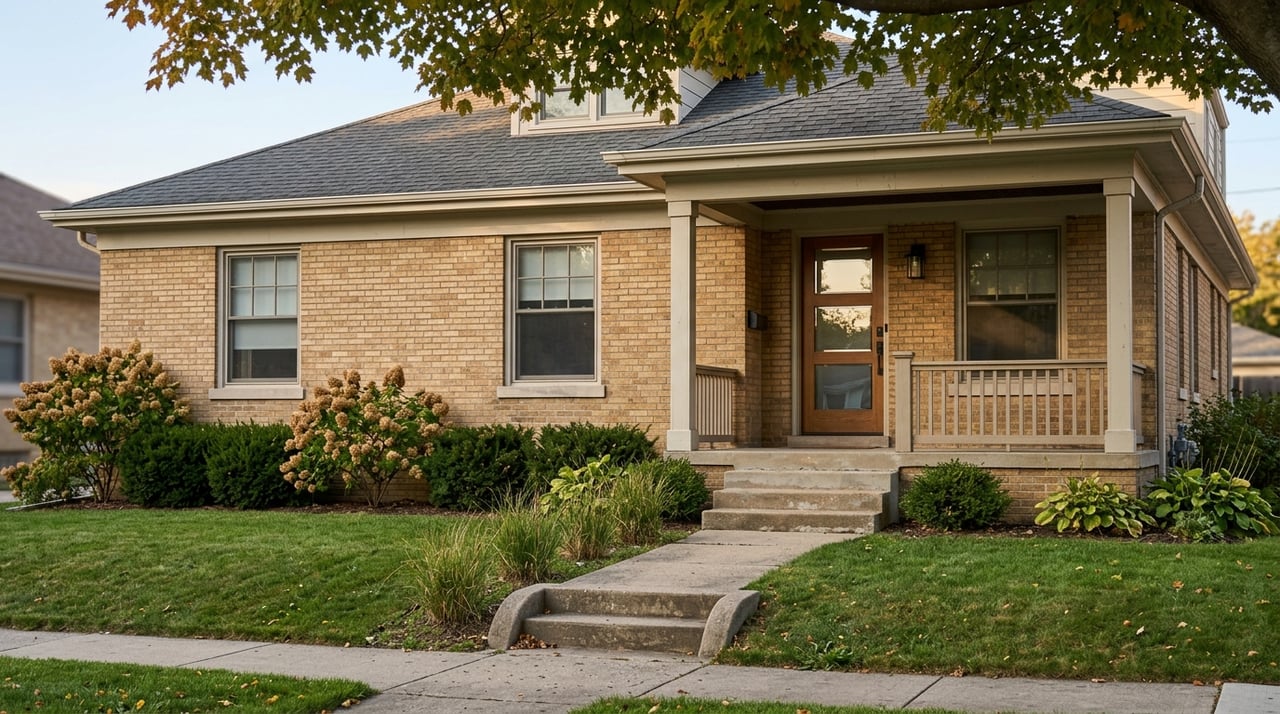
From a housing perspective, Bay View has a lot of architectural character. A historic designation report places much of the area’s residential fabric in the 1890s through 1920s, with styles that include Queen Anne, Dutch Colonial Revival, Craftsman Bungalow, vernacular cottage, and front-gabled houses.
For commuting, Bay View offers useful regional connections. The neighborhood plan highlights access to the metro region via I-794 and I-94, which can matter if your work or regular errands take you beyond downtown Milwaukee.
If you want a more transit-oriented setup, the East Side and Lower East Side deserve a close look. The Northeast Side plan ties the Upper East Side to Lake Park and Riverside Park, making this area a classic lake-and-river corridor.
This part of Milwaukee can work well if you want green space without giving up a more central urban feel. City neighborhood materials also place Greenwich Village two miles north of downtown and one mile south of UW-Milwaukee, which helps frame how close this broader area is to major destinations.
Housing here varies by pocket. The Northeast Side plan describes high-style masonry houses and a mix of Arts and Crafts, Tudor Revival, Colonial, Classical Revival, Prairie, and bungalow homes. A Lower East Side plan, cited in the research, also describes townhouses and apartment blocks alongside some single-family homes and duplexes.
For commuting, the Lower East Side has one of the clearest transit advantages in this group. Current downtown transit information shows The Hop connects the Lower East Side, East Town, Historic Third Ward, and Westown, while MCTS serves the wider region. If you value a neighborhood where transit can play a bigger role in your daily movement, this area stands out.
Washington Heights offers a different kind of balance. It is a strong option if you want classic early-20th-century housing and a location that keeps downtown reasonably close.
City neighborhood materials describe Washington Heights as being only minutes from downtown. That can make it appealing if you want a residential setting with straightforward access to the urban core.
The city also identifies a 56th and North Avenue pocket park in the neighborhood, giving you local green space woven into the area. While this is a different park experience than Milwaukee’s lakefront neighborhoods, it can still be attractive if your priority is nearby outdoor space plus a practical commute.
Housing is part of the draw here. The West Plan describes the neighborhood’s housing stock as stately four-squares and generous bungalows built between 1900 and 1920.
If you are drawn to established homes with architectural character, Washington Heights may offer the right mix of style and convenience. It is often a neighborhood worth touring if you want to compare west-side living with lakefront areas.
If you want parks and trails paired with a more car-oriented commute pattern, Shorewood and Wauwatosa are strong alternatives. Both are close to Milwaukee, but they offer a slightly different rhythm than the more urban neighborhoods above.
Shorewood combines a close-in location with a strong park system. The village says it has more than 13 acres of village-owned park land, three major parks, two neighborhood parks, and a nature preserve, while much of Milwaukee County’s Estabrook Park lies within the village. You can explore more on the Shorewood parks page.
That variety can be appealing if you want multiple outdoor options nearby instead of relying on one signature park. It also gives Shorewood a strong profile for buyers who want green space built into everyday routines.
Shorewood also describes its location as just minutes from downtown Milwaukee, and its comprehensive plan says residents can usually be downtown at work or dinner in just minutes by car. The village’s Comprehensive Plan 2040 also notes a range of home styles, including Prairie Style, Arts and Crafts, Craftsman, Bungalow, and Modern homes.
If you like the idea of quick downtown access but want a more village-style environment, Shorewood is a compelling option to compare side by side with the East Side.
Wauwatosa is often a strong fit if trails and driving convenience are high on your list. The city’s parks department lists Hart Park, and city trail materials highlight the Menomonee River Parkway and its connection to Hoyt Park.
The city also says the Oak Leaf Trail crossing at North Avenue and Menomonee River Parkway is one of the most used crossings in Wauwatosa. That points to a well-used network for walking, biking, and active outdoor time.
Housing in Wauwatosa spans a broad range. According to city historic preservation materials, styles include Greek Revival, Gothic Revival, Italianate, Queen Anne, Craftsman, Mission, Bungalow, and Ranch, along with century-old brick buildings in the Village and tree-lined residential blocks in East Tosa.
For commuting, Wauwatosa offers several practical advantages. The city notes that North Avenue is a principal east-west through street, North Mayfair Road connects to Highway 45, the area is about a 10-minute drive to the downtown Milwaukee train station, and MCTS service reaches the city. If your routine depends more on driving than transit, Wauwatosa becomes a very useful comparison point.
The best neighborhood for you depends on what you mean by an easy lifestyle. Milwaukee offers several good answers, but they are not all trying to do the same thing.
Here is a simple way to think about it:
When you start touring, it helps to evaluate the neighborhood as much as the house. A home can look great online, but the surrounding routine is what often determines long-term fit.
As you compare these Milwaukee areas, pay attention to:
If you are narrowing your search, having someone help you compare lifestyle tradeoffs can save time and reduce second-guessing. That is especially true in Milwaukee, where neighborhoods can feel very different even when they are all relatively close to downtown.
Whether you are looking for a condo near transit, a character home with quick downtown access, or a neighborhood with more trail and parkway options, Cierra Burmeister can help you compare Milwaukee neighborhoods in a way that matches how you actually live.
I believe real estate is more than transactions — it’s about creating experiences that last. Leveraging local knowledge and market insight, I help buyers find homes that truly fit their lifestyle and sellers present their properties with clarity and care. Every client receives personalized guidance, clear communication, and a commitment to excellence. Outside of work, I enjoy exploring Milwaukee’s outdoors, rock climbing, and family adventures.
Cierra Burmeister
1610 N Water St Milwaukee WI 53202